Address
Kharkiv, str. Dobrovoltsiv (Molodoy Gvardii), 15/17, 4th floor, room 408


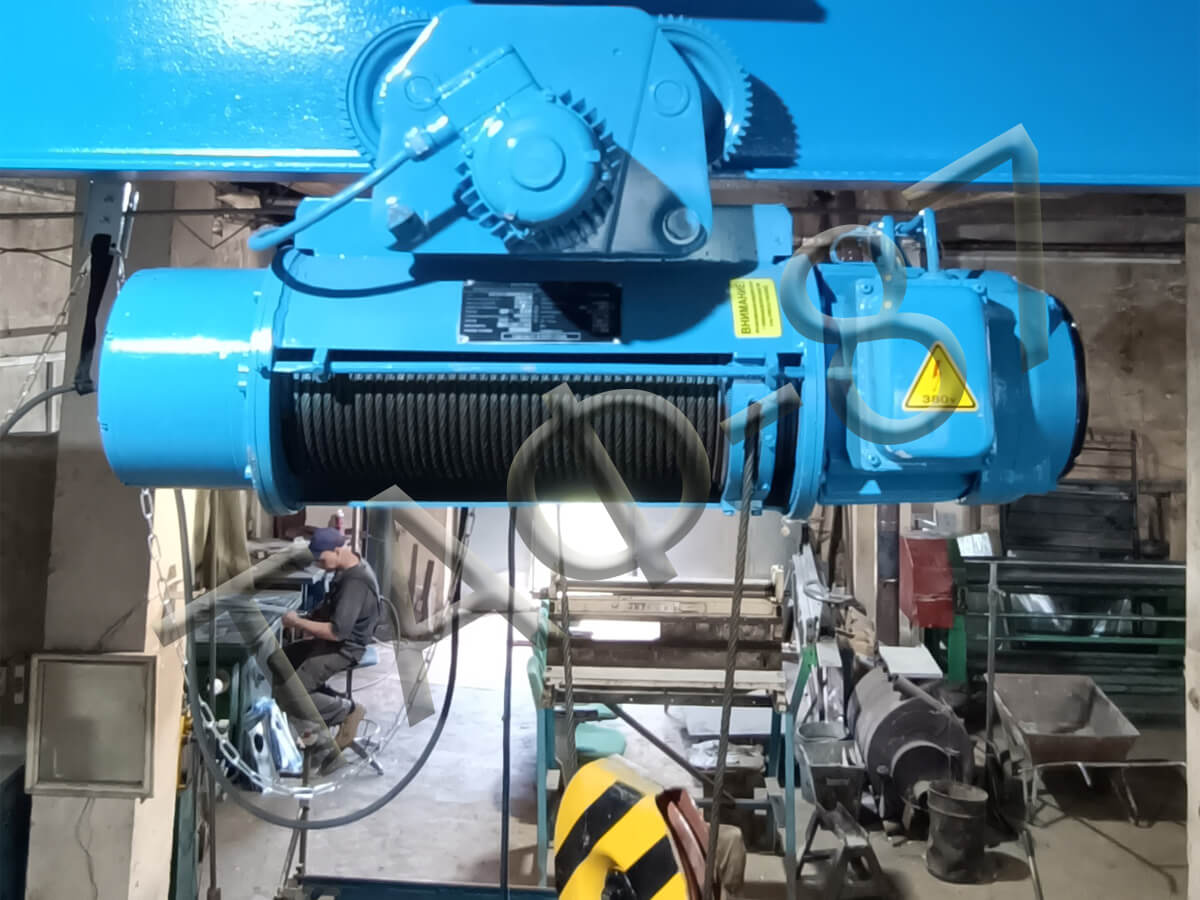
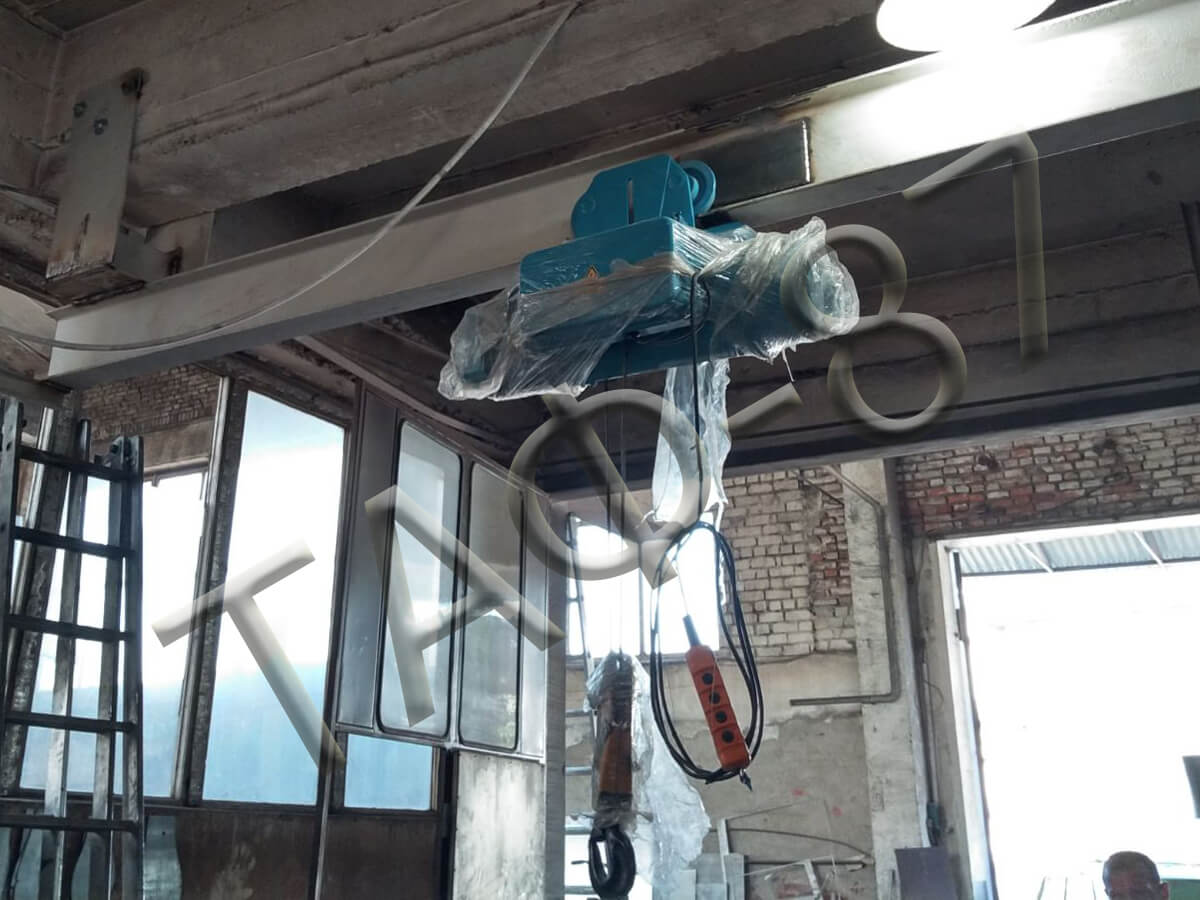
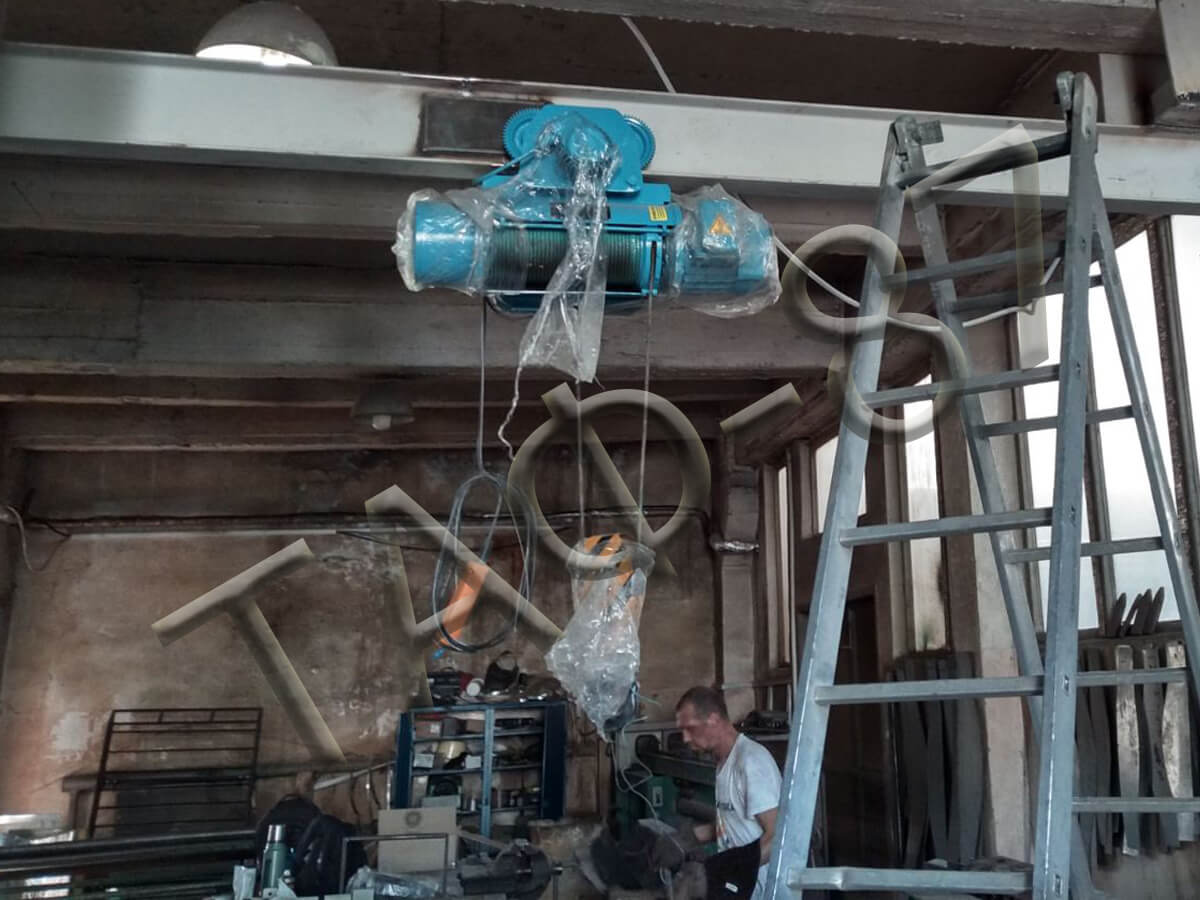
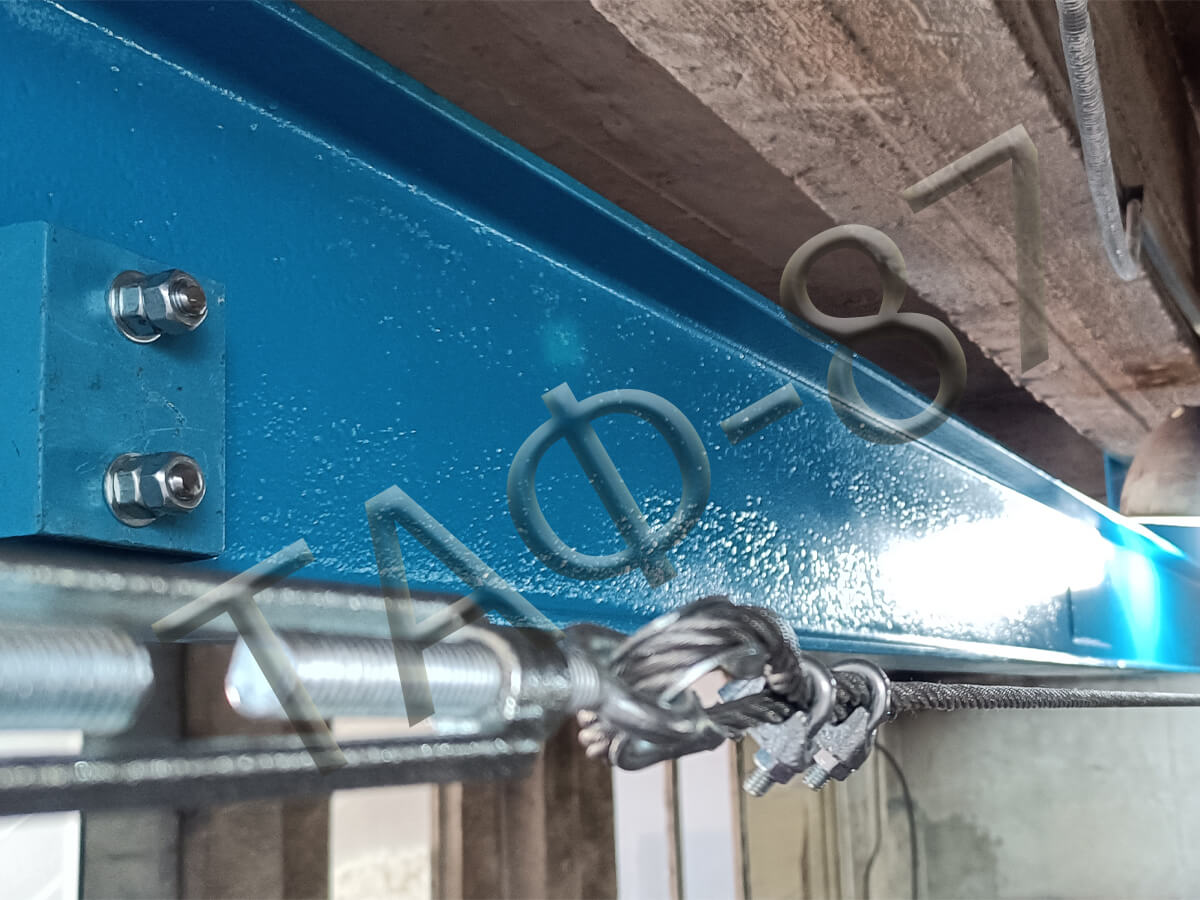
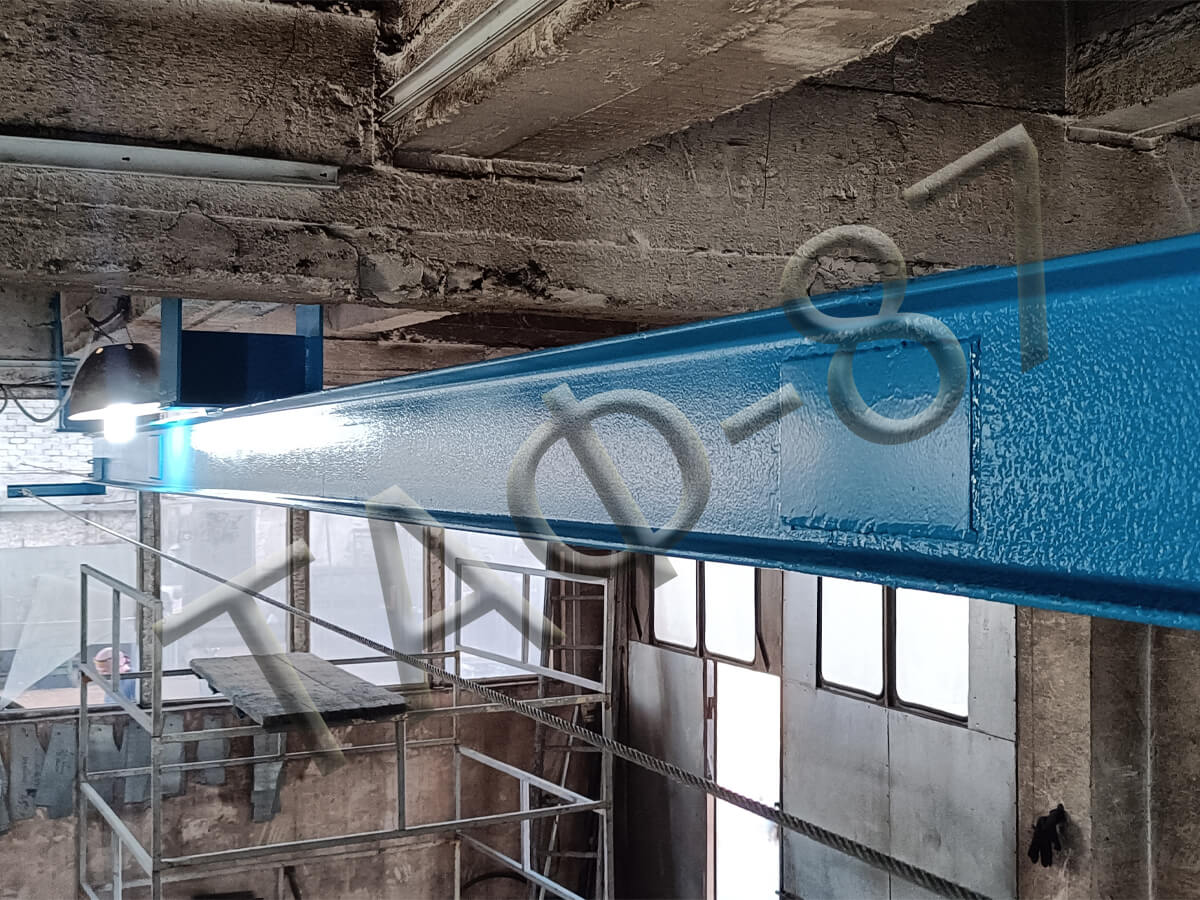
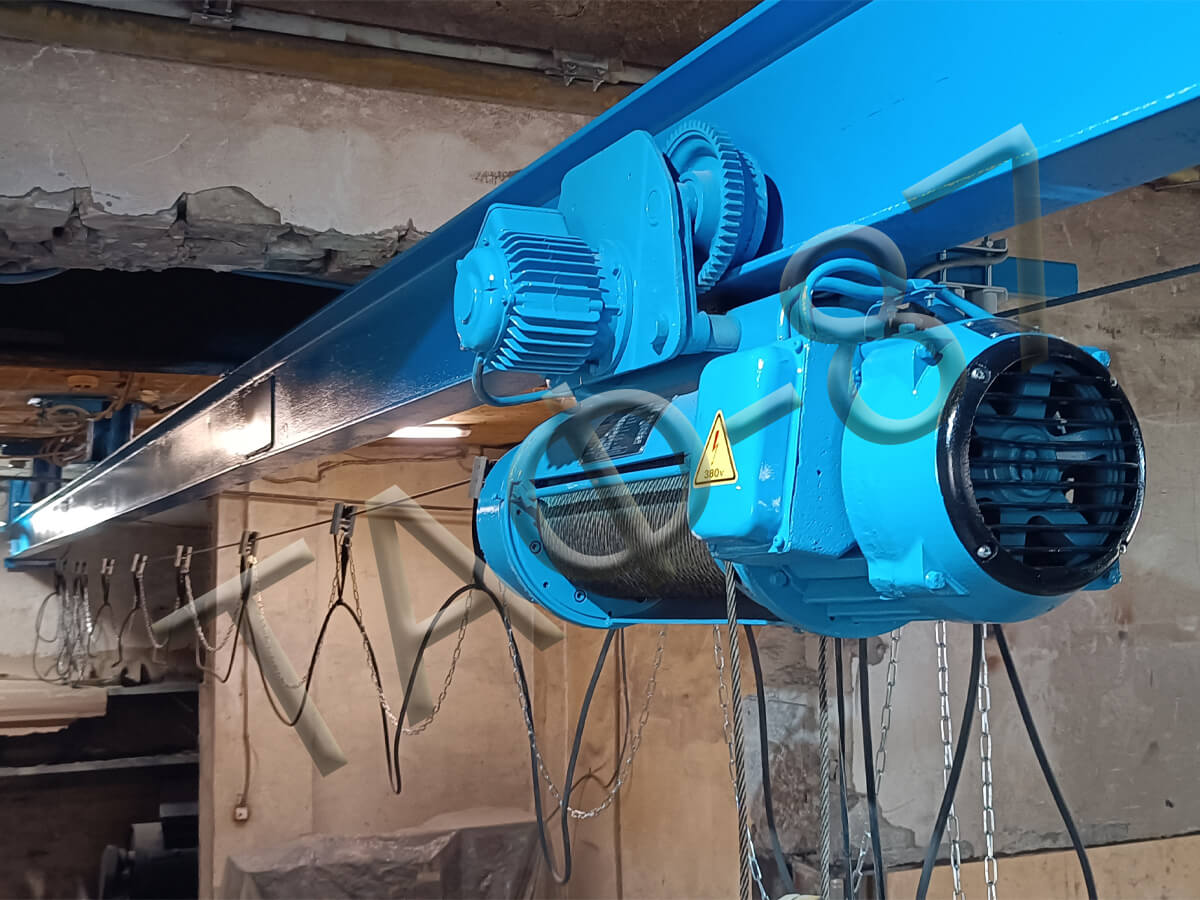
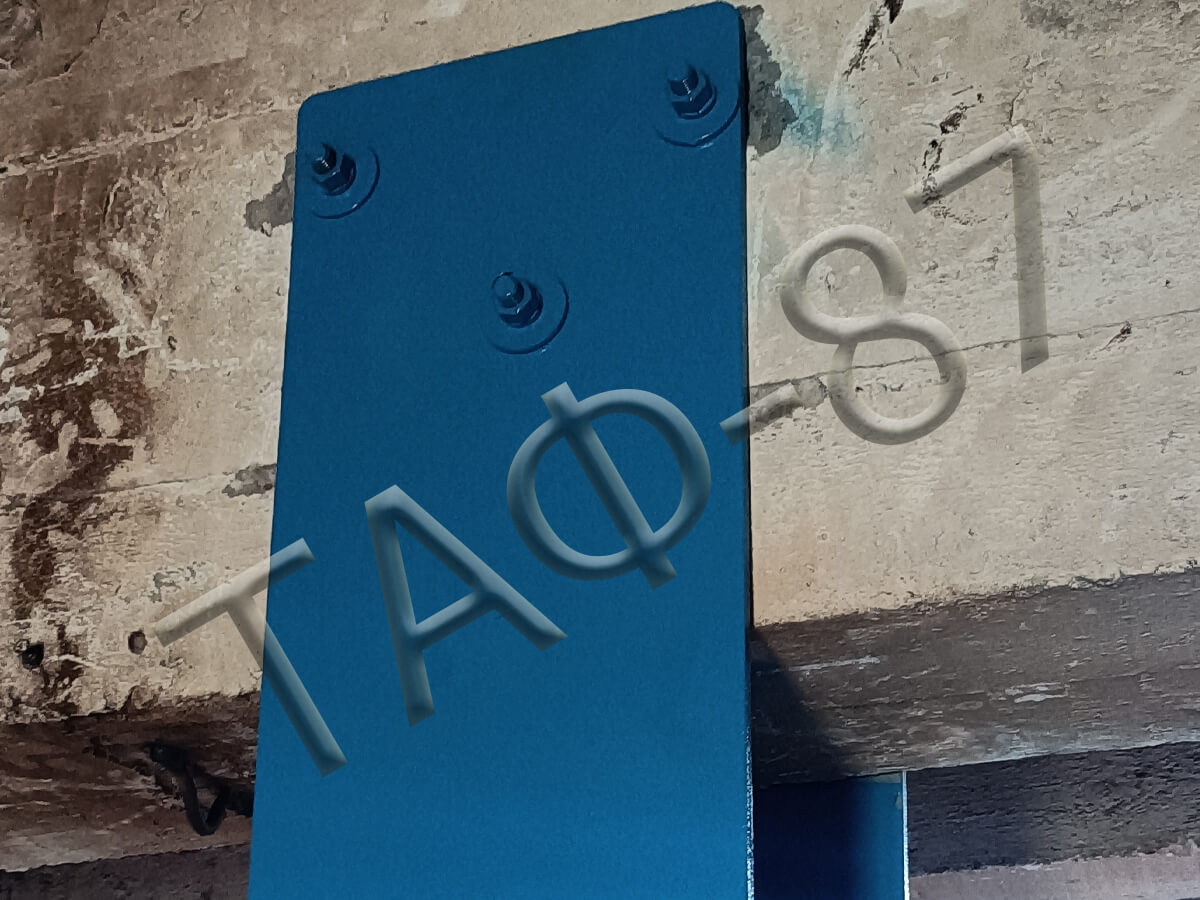
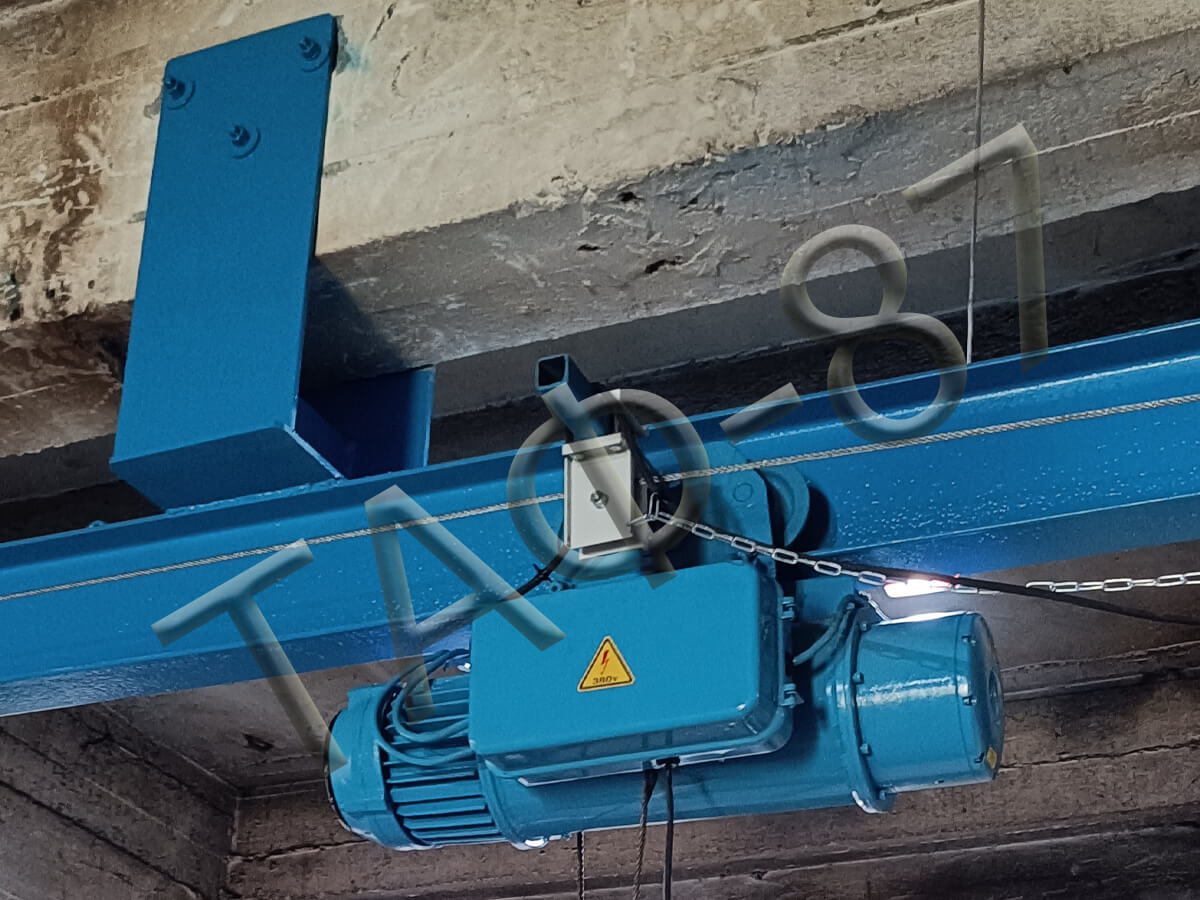
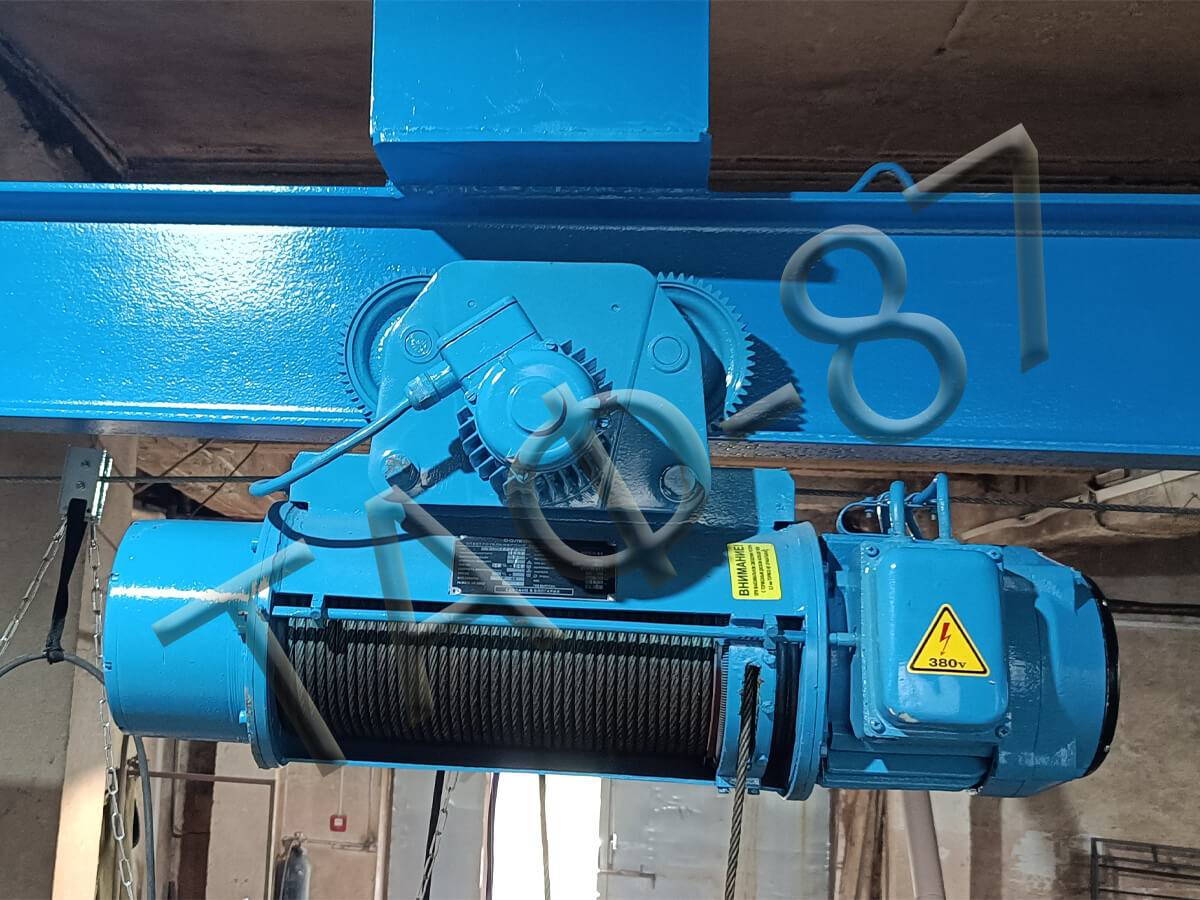
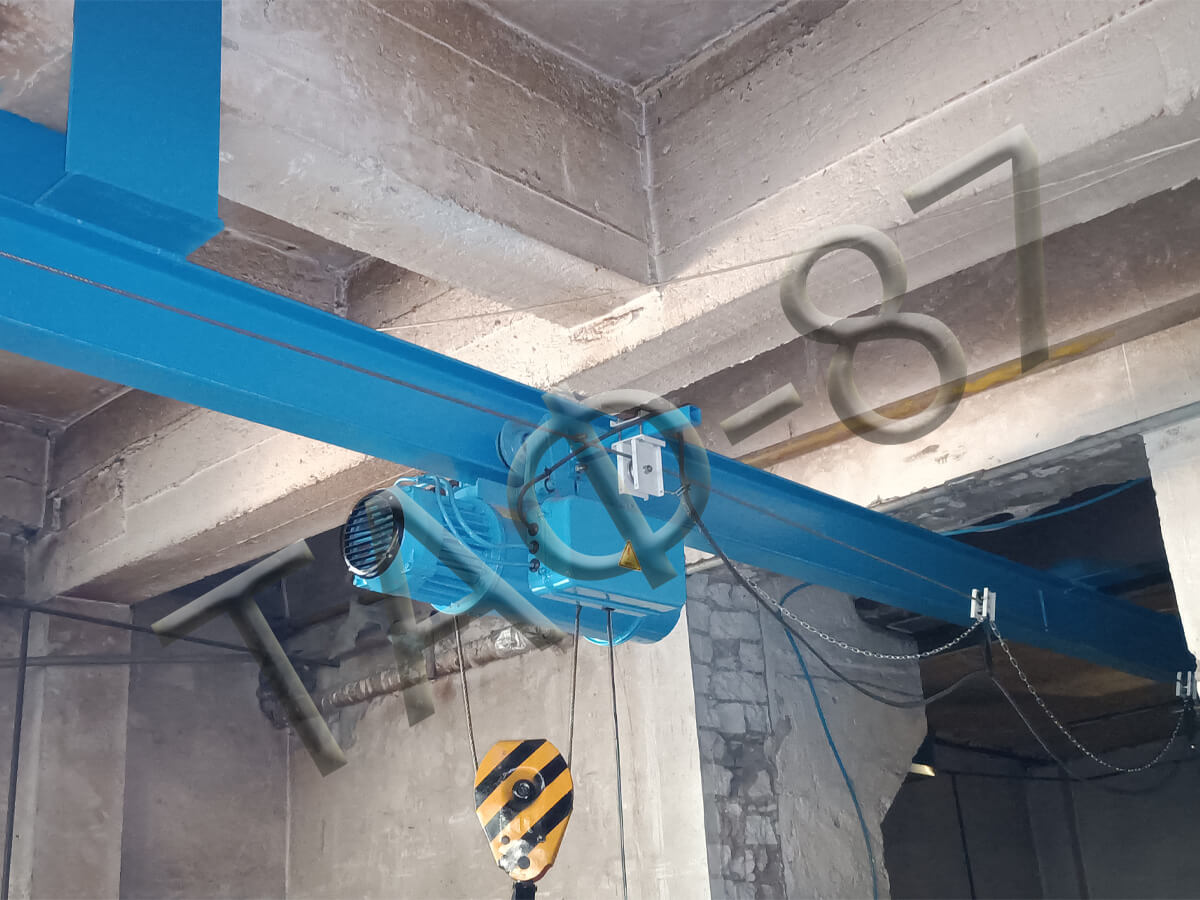
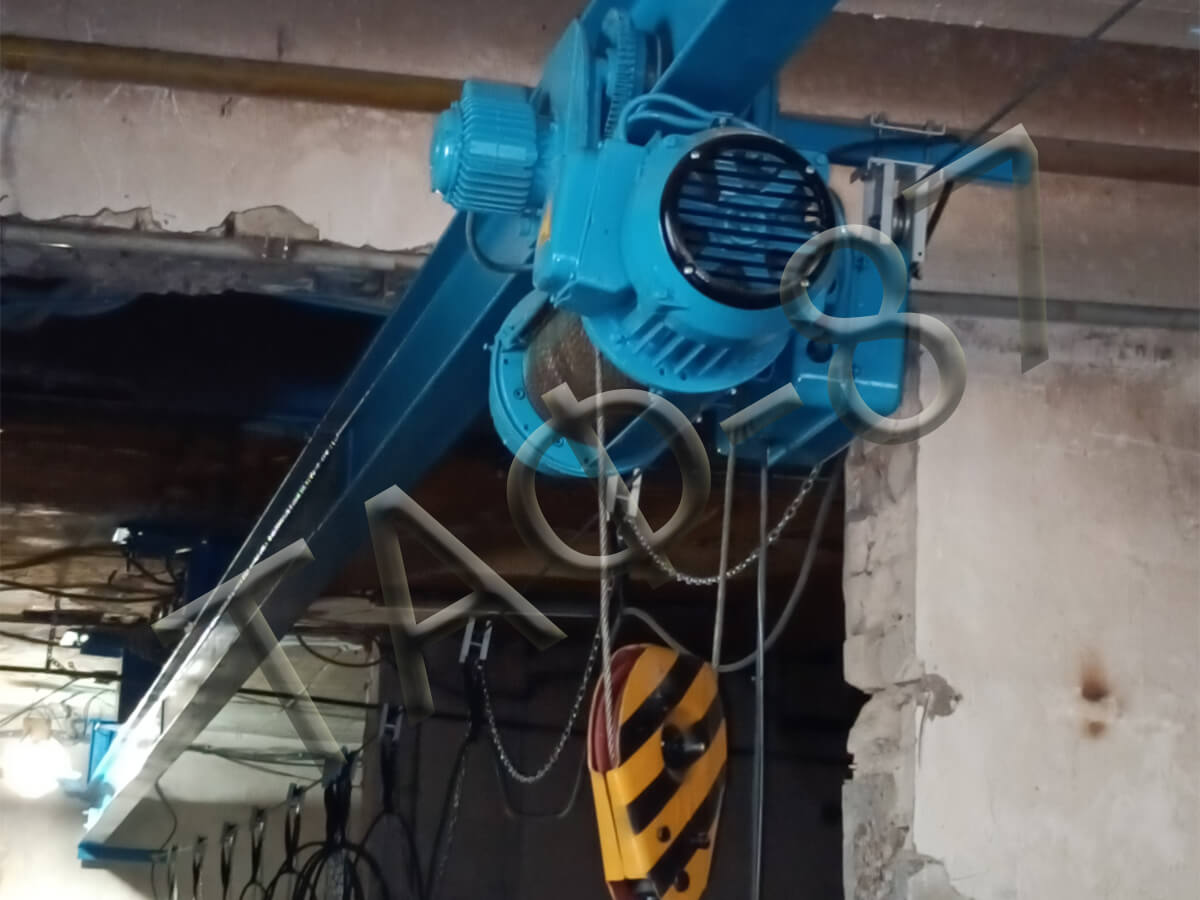
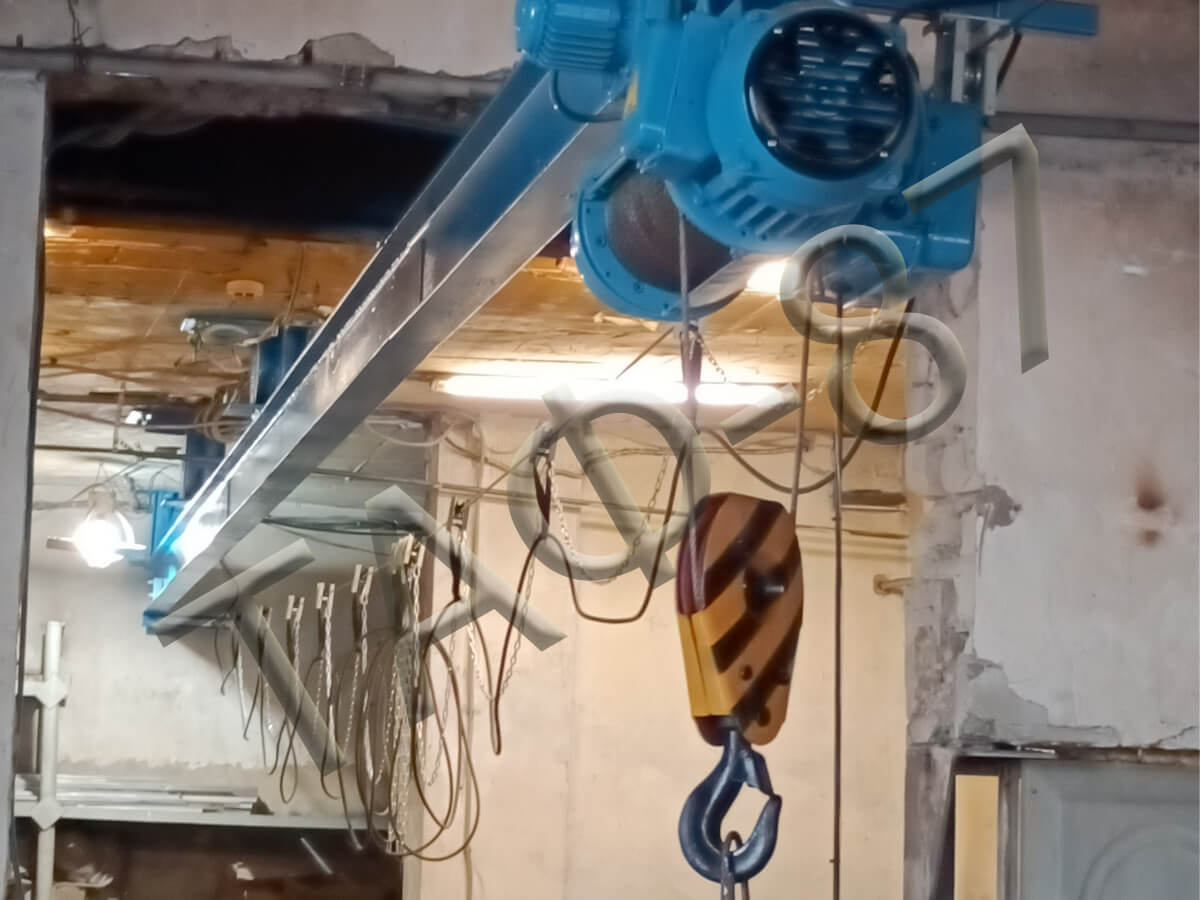
The TAF-LIFT stationary beam crane is a lifting and material handling system with a fixed beam mounted on suitable overhead supports or a supporting steel structure. A hoist lifts the load, while a travelling trolley allows it to move along the beam.
| № | Parameter | Specification |
| 1 | Rated load capacity | 0.5–8 t |
| 2 | Lifting height | Up to 24 m |
| 3 | Beam or track length | Configured to suit the project; no fixed maximum stated |
| 4 | Electric hoist condition | New or used |
| 5 | Beam condition | New or used |
| 6 | Control system | Wired pendant control, radio remote control, or both |
| 7 | Other configurations | Rotating configurations available on request |
| № | Description | Price, UAH |
| 1 | Used stationary beam crane with an 8.0 m beam and a 2.0 t electric hoist | From 47 000 |
| 2 | New stationary beam crane with a 20.0 m beam and a 1.0 t electric hoist | From 150 000 |
| 3 | New stationary beam crane with a 16.0 m beam and a 3.2 t electric hoist | From 200 000 |
| 4 | New rotating beam crane, specified dimension: 36.0 m, with a 2.0 t electric hoist | From 310 000 |
| 5 | Custom configuration | Price on request |
Applications
Stationary beam cranes are used in industrial facilities, warehouses, construction applications, and other locations where loads need to be lifted and moved within a defined working area.
Their strength and reliability, when appropriately designed, installed, and maintained, make them a practical material handling solution for a range of industries.
The specifications of a TAF-LIFT stationary beam crane manufactured by TAF-87 depend on the model and configuration. The main parameters include:
TAF-87 manufactures TAF-LIFT lifting and material handling equipment in its workshop using sheet metal bending machines, guillotine shears, cutting equipment, and machine tools. These processes help reduce the number of welded joints where the design allows and improve manufacturing consistency.
Welding is performed using a semi-automatic process, and protective coatings are spray-applied.
Delivery charges are agreed separately. Delivery within Kharkiv by a 7-tonne truck equipped with a loader crane costs UAH 800 per hour, including unloading.
Travel on highways or the ring road is charged at UAH 30 per kilometre in each direction.
The final delivery cost may be higher or lower depending on the quantity of equipment and the transport requirements.
Manufacturing lead time: 10–60 working days.